Language negotiation in a mobile world: Improving the global user experience

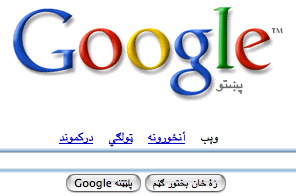
Language negotiation is the process of detecting the language setting of a web browser and responding with the matching language, if available. Companies such as Google and Facebook have used language negotiation with great success over the years.

In the 2011 Web Globalization Report Card, just 12% of the 250 web sites studied support language negotiation. While this is an increase from the previous year it is still too low.

As more and more people surf the web using mobile devices, the “business case” for supporting language negotiation grows more acute. After all, do you really want your users to fumble over a “select language” pull down menu on their mobile devices? Why not just give these users the language they want and save them time and create a better user experience.

To demonstrate, I’ve created a short video in which I use the iPhone to visit four web sites: Google, Xbox, Nike, and Apple. You may be surprised by which of these companies does not support language negotiation.


To learn more about language negotiation and best practices in global navigation, check out my book: The Art of the Global Gateway.

I hope you find this video useful, and I welcome input and suggestions for future demos.

Walking through jelly

Just because a global company mandates one “global” language doesn’t mean that everything will run smoothly.

English is typically the global language selected, which is nice for those who were born into it. But for most everyone else, it can be a struggle if not a drag on one’s career prospects.

Which is why I was struck by this Harvard Business Review article on cross-cultural communication.

Here’s an overview of the study:

In an ethnographic study comprised of interviews and concurrent observations of 145 globally distributed members of nine project teams of an organization, we found that uneven proficiency in English, the lingua franca, disrupted collaboration for both native and non-native speakers. Although all team members spoke English, different levels of fluency contributed to tensions on these teams. As non-native English speakers attempted to counter the apprehension they felt when having to speak English and native English speakers fought against feeling excluded and devalued, a cycle of negative emotion ensued and disrupted interpersonal relationships on these teams.

In other words, varying degrees of English fluency disrupted the ability of teams to function well, not just across borders but within meetings.

I’ve witnessed this problem firsthand. In some cases I was the non-native speaker struggling to get a point across. In other cases I watched non-native speakers keep their mouths shut in meetings for fear of saying the wrong thing or because they couldn’t keep up with the conversation.

One non-native German speaker referred to the struggle keeping up in German-only meetings as “walking through jelly.”

Language fluency will probably always been unevenly distributed across global companies. But one thing I would love to see more companies do is incentivize employees to learn a second (or third or fourth) language. Many native-English speakers are simply oblivious to the challenges that non-native speakers face. By pushing everyone into that uncomfortable zone of learning a new language, we all gain a degree of empathy. It’s not about becoming fluent in another language; it’s about becoming a more empathetic person.